
Publications
Publications
A Big Picture for the Inverter-Dominated Future Grid - Advances in Inverter Technology and Grid Stability
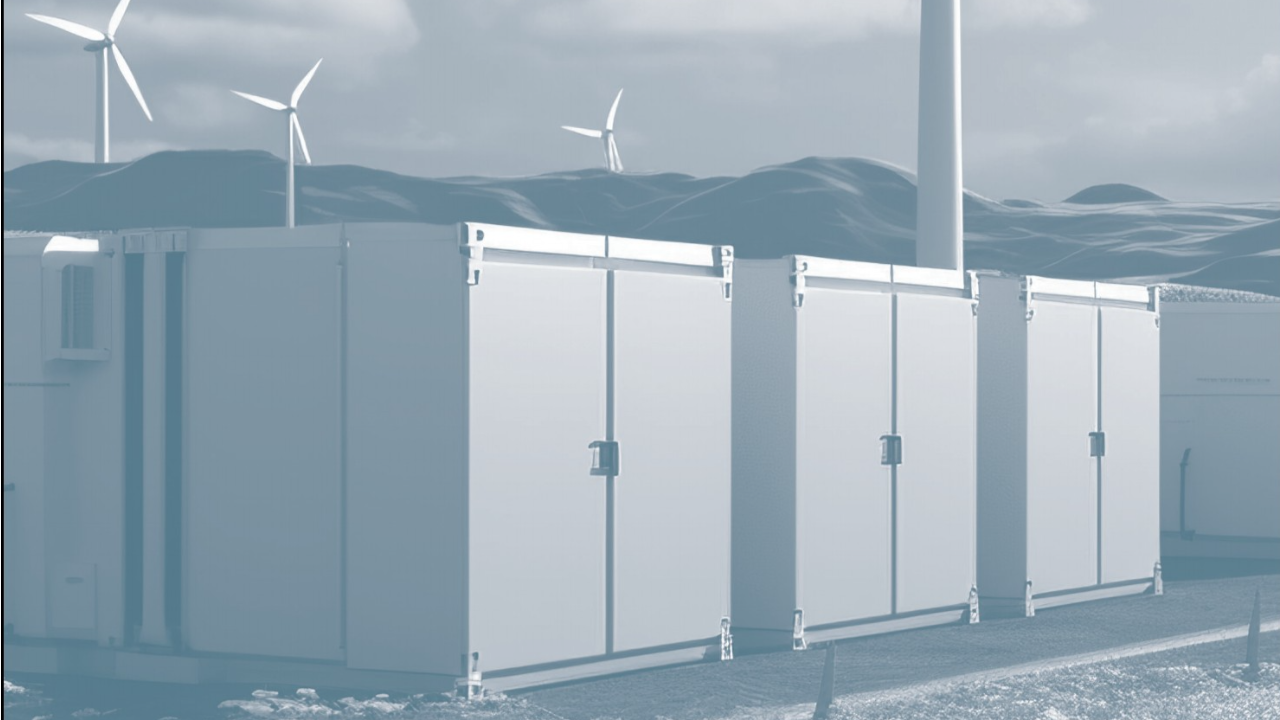
• The growth of renewable energy is causing instability in power grids, including falling system inertia, tighter voltage-control margins, and resonance issues, as illustrated by the 2025 Iberian Peninsula blackout following earlier events in South Australia (2016) and the UK (2019). To navigate these challenges and build a next-generation grid, it is vital to review how inverter technology has developed, evaluate its impact on system stability, and identify the hurdles and tasks that must be addressed moving forward.
• The evolution of inverters can be grouped into different generations based on their contribution to system stability. Inverters from Generation 1 through 2.5 advanced gradually—with added features such as Fault Ride-Through (FRT), Volt-Var Control (VVC), and virtual inertia—yet still carried persistent limitations in weak grid operation and Black Start capability. Although the thirdgeneration inverters, which operate as voltage sources, overcame these shortcomings, limited fault current supply remains a challenge.
• Two main approaches to securing future grid stability stand out. One is the deployment of auxiliary equipment such as synchronous condensers and E-STATCOMs—to ensure reliable operation of Inverter-Based Resources (IBRs). The other is the advancement of high-speed, wide-area control technologies such as Phasor Measurement Unit (PMU)-enabled Wide-Area Monitoring, Analysis, and Control (WAMAC) systems, capable of responding to the fast dynamics of IBRs.
• In the long run, power systems will shift beyond hardware-centric focus and transition into ‘software-defined grids,’ where software intelligence underpins system stability and control.