
Publications
Publications
Filter by Topic1
Research Topics
Filter by Topic
26 publications
Electrification Pathways for Yeosu Petrochemical Complex: Strategies for a Clean Industrial Transition
Korea’s petrochemical industry is undergoing structural transformation driven by global oversupply, and the Yeosu Petrochemical Complex faces serious threats to its competitiveness and viability. This issue brief proposes electrification pathways utilizing distributed energy special zones and virtual power plants, focusing on electric furnaces and industrial high-temperature heat pumps as core technologies for replacing fossil fuel combustion with renewable electricity. It examines renewable energy supply conditions, power procurement structures, and institutional and infrastructure prerequisites required to accelerate the transition toward a clean chemical industrial complex.
Defining Low-Carbon Steel in Korea : Technology Pathways under the K-Steel Act
K-Steel Act marks the first policy framework to institutionally support the low-carbon transition of Korea’s steel industry, with the definition and standards of low-carbon steel emerging as a key issue. In the global market, benchmarks such as the EU CBAM, the First Movers Coalition, and SteelZero are taking shape, while conventional BF-BOF routes struggle to meet these standards. Practical transition pathways include the BF–EAF hybrid route, HyREX, and DRI–EAF, each facing challenges related to emissions performance, cost, and supply chains. A multi-technology strategy, rather than reliance on a single pathway, is required, with DRI–EAF positioned as a key option for early market entry. The K-Steel Act should clarify these technological pathways and support an integrated transition strategy aligned with power grid and hydrogen infrastructure development.
Strategic Transformation of Korea’s Petrochemical Complexes
The global petrochemical industry is facing structural stagnation due to oversupply, threatening the regional economies of Korea’s three main complexes (Yeosu, Daesan, Ulsan). The Korea petrochemical industry needs to shift to a new growth sector, backed by real investment to ease regional stagnation.
A Comprehensive Assessment of Costs and Emissions in the Imported Green Hydrogen Value Chain for Korea
This issue paper presents a stage-by-stage cost analysis of importing green hydrogen from Australia to Korea, covering conversion, maritime shipping, storage, re-conversion, and distribution. The analysis estimates import costs for both ammonia and liquefied hydrogen under different technological scenarios.
Green Steel: an Opportunity Closer Than You Think
To stay competitive in a steel market facing global oversupply and rising trade barriers, Korea must shift toward green steel. Demand is accelerating—especially from European automakers—with projections rising from 15 million tons in 2021 to over 200 million tons by 2030. Korea’s path to market entry is through DRI-EAF technology. EAF capacity is expanding, and using a 70% DRI and 30% scrap mix can cut emissions by 81% versus BF-BOF. But success depends on securing affordable, high-quality DRI.
Myopic Government Policy for Petchem in Peril: Shortcomings and Solutions
Amid oversupply and declining operating rates, the government’s petrochemical competitiveness plan reveals limitations across restructuring, investment, and R&D, underscoring the need for a more decisive policy shift toward decarbonization.
A Net Zero Roadmap for South Korea's Petrochemical Industry
The net-zero roadmap for South Korea’s petrochemical industry charted by NEXT group presents strategies that envisage the sector gaining a sharper competitive edge in the global market while contributing to the effort to keep global warming within a 1.5°C rise.
Korea Net-Zero Steel Roadmap Ⅱ : with Five-Year Strategies to Achieve a 1.5°C-compliant Pathway
Net-Zero Roadmap for Korean Steel Industry (Korea Net-Zero Steel Roadmap) (hereinafter referred to as “K-NZS 1”), a report that NEXT group published in the summer of 2023, offered the most ambitious carbon reduction pathway ever proposed in South Korea, but the roadmap had limitations. It failed to align with the global goal of curbing the average temperature rise to within 1.5℃. This year, 2024, NEXT group publishes this report, Korea Net-Zero Steel Roadmap II (“K-NZS 2”), to revisit the analysis conducted by K-NZS 1 and present recommendations compatible with a 1.5℃ pathway. The new recommendations incorporate internal and external environmental changes including (i) the rapid growth of demand for green steel and (ii) the potential delays in supply of green hydrogen worldwide.
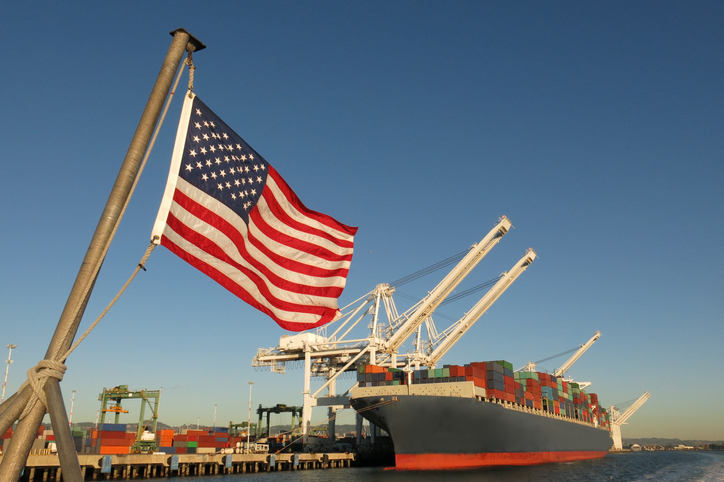
Impending U.S. Carbon Tariffs
The Foreign Pollution Fee (FPF) Act is one of the U.S.' multiple attempts to implement trade regulations. The goal is to restrict imports to no more than 50% greater carbon intensity than the U.S. Korean-manufactured steel flat products are expected to be 65 to 69 percent more carbon-intensive than their U.S. counterparts, making it challenging for Korean steelmakers to avoid tariffs as the difference exceeds 50%. To secure the steel export market, a quick promotion of low-carbon technologies, such as using coke oven gas in blast furnaces to replace cokes partially and increasing inputs of scraps and direct reduced iron in basic oxygen furnaces, is necessary in the short and medium term. The government should ease the industry burden by supporting the procurement of scrap and DRI, the materials essential in the short and medium-term decarbonization process, and decarbonizing the national grid.
Improving Korean Green Public Procurement to Drive Demand for Low-carbon Steel and Cement
This study diagnoses the current status of Korea's green public procurement system and its limitations in terms of climate change mitigation, and suggests improvement measures to create low-carbon demand for high-emission building materials such as cement and steel.