
Publications
Publications
Filter by Topic1
Research Topics
Filter by Topic
11 publications

Climate Risk-Based Prevention : An Imperative for Climate-Ready Governance
As the climate crisis accelerates, the nature of disasters is undergoing a qualitative transformation. The intensity of traditional disasters such as heatwaves and wildfires is increasing, while new risks—including flash droughts and compound disasters—are occurring more frequently, exposing the limitations of existing disaster response systems. In Korea, the average annual economic damage from natural disasters over the past five years (2019–2023) reached KRW 1.375 trillion, a sharp increase compared to KRW 198 billion during the previous five-year period (2014–2018). A fundamental cause of this escalation lies in the current disaster management framework’s reliance on historical data. Ahead of the planned release of the 4th National Climate Crisis Response Plan at the end of 2025, this issue brief identifies key policy priorities for shifting toward a prevention-centered disaster management paradigm.
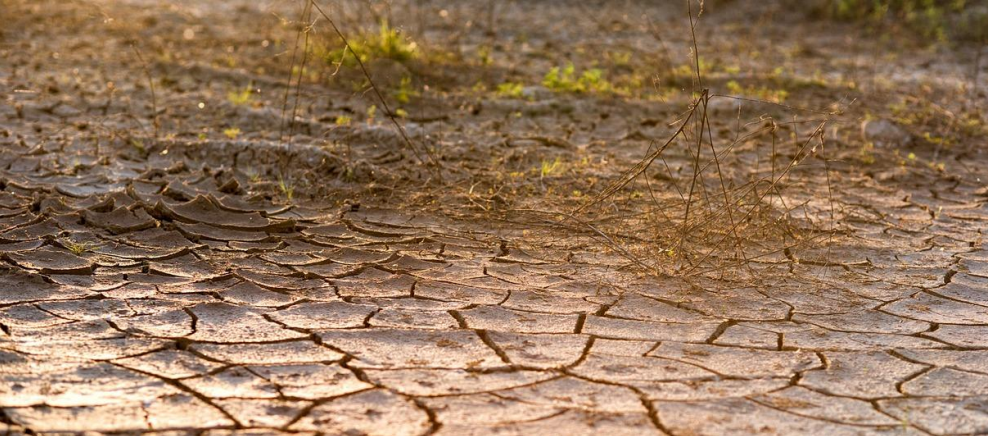
In the Era of Climate Crisis, An Unforeseen Disaster Called Flash Drought
Flash droughts are an emerging type of drought that has newly emerged as climate change intensifies hydrologic extremes. Within days to weeks, they can rapidly deplete water resources due to a combination of precipitation deficits and high temperatures that increase evapotranspiration.
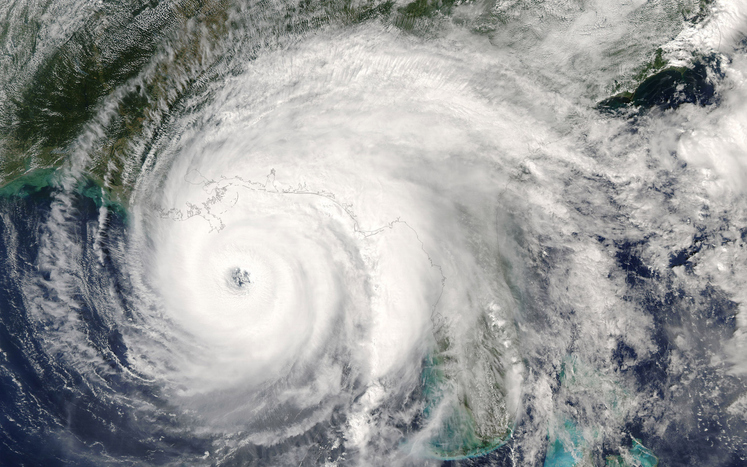
It's time for a paradigm shift: the real typhoon damage starts in the fall
In the last decade, typhoons have been the second most destructive type of natural disaster. We need to focus on typhoons, particularly those that occur during the fall, as their intensity is anticipated to rise due to climate change.

The Gangnam Flood: Where Are We?
Over the past decade in Korea, flooding due to heavy rainfall has been responsible for the majority of natural disaster damages. With climate change expected to intensify these rainfall events, there is a pressing need to implement measures to reduce flood damage. Specifically, the Gangnam Station area in Seoul experienced severe flooding in 2022, yet effective policy and physical measures to combat such flooding remain insufficient.
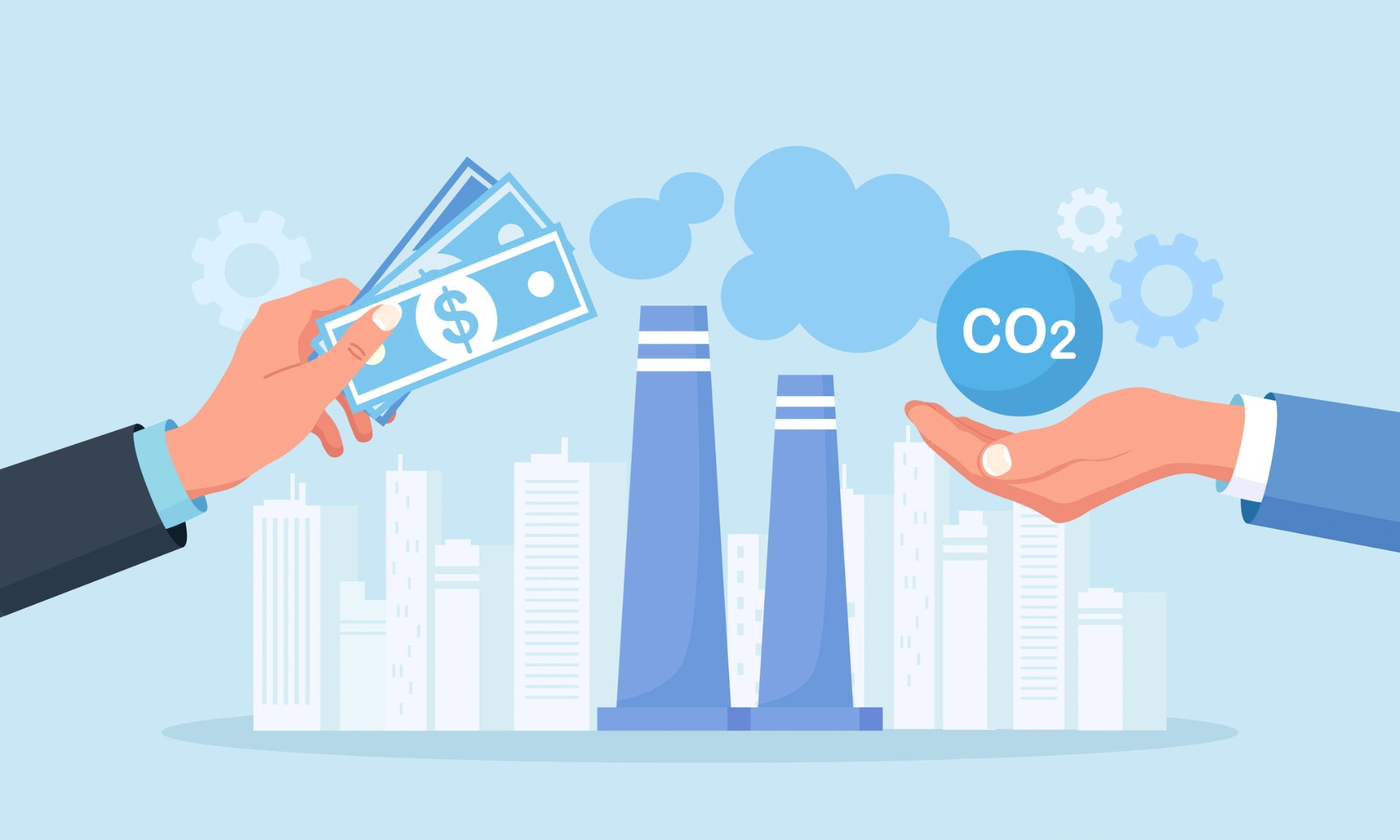
Carbon Pricing Methods
Carbon pricing is a policy that encourages emissions reduction by recognizing greenhouse gas emissions as cost and aims to comply with the polluter pays principle, which holds polluters accountable for their greenhouse gas emissions, and encourage voluntary investment in reduction technologies. Instead of directly asking companies or consumers to reduce greenhouse gas emissions, it encourages technology development, consumer behavior changes, and investment changes by internalizing cost in economic activities. Carbon pricing includes the emissions trading system which sets the total emissions permits and allows the carbon price to be determined in the market, internal carbon pricing, which imposes a certain price on emissions, and carbon tax. This issue brief introduces the following methods to estimate and calculate the carbon price: (1) social cost of carbon, (2) marginal abatement cost, and (3) shadow price of carbon.

Costs of Climate Inaction of Emission-intensive Companies in Korea Series 1: Steel, Semiconductor, Refining, Petrochemicals and Automotive Industries
This report assesses the financial exposure of five of Korea’s most emission-intensive companies to climate-related risks. It finds that such risks are already affecting corporate financial performance, with potential operating profit reductions of up to 24 percentage points. By examining key channels—including policy-driven revenue loss and regulatory cost increases—the study highlights growing sectoral vulnerabilities and provides policy recommendations for both industry and government to effectively manage these risks.

The Biden Government's Strategy of Reflecting Climate Risk in the Financial System
The White House announced a strategic direction for how the U.S. federal government will secure the stability of its financial system from climate risks by releasing in October 2021 "A Roadmap to Build a Climate-Resilient Economy" (hereinafter referred to as the “Roadmap”). As a follow-up to President Biden's “Executive Order 14030, Climate-Related Financial Risk,”1 signed in May 2021, this Roadmap serves as a policy guide showing that the federal government recognizes the climate crisis as a significant financial risk.
A Proposal to Introduce Climate Change Impact Assessment Contributing to Reduced Greenhouse Gas Emissions
Climate change impact assessment is expected to be conducted in practice organically in connection with the current environmental impact assessment, and amid the continuous criticism that environmental impact assessment is merely a formality, this issue brief points out the limitations of greenhouse gas assessment items in the traditional environmental impact assessment and proposes designing a scheme to help climate change impact assessment to avoid the limitations of environmental impact assessment.
Green Bonds? Ask Us Anything
Interest in green bonds is on the rise. A total of 12.624 trillion won in green bonds have been issued so far since the Korea Development Bank first issued green bonds in 2018. However, the terms such as green bonds, ESG bonds, and socially responsible investment bonds are used interchangeably, causing confusion. This report is for those who have heard of green bonds but are unfamiliar with them yet are curious about how they are issued, how much they return, and whether there is a possibility of greenwashing.
![[Opinion] Fake Net-Zero, Fake ESG - Greenwashing Alert](https://ynafojsvljfevwkcitzr.supabase.co/storage/v1/object/public/static/publications/thumbnail/21f2a264-692a-4556-8fbf-52fd30d5ba59.webp)
[Opinion] Fake Net-Zero, Fake ESG - Greenwashing Alert
Corporations once prioritized the environment or climate change in order to improve the corporate image or to fulfill their social responsibility, but today it is an issue that is tied into profit and loss calculations for growth. However, this trend does not always produce the desired results. The reason for this is that "greenwashing," the practice of using false, exaggerated, or misleading information in marketing, is frequently discovered. The same goes for ESG. When an investment is made based solely on ESG considerations, without a standard, it may lead to a "green bubble" that overestimates the actual value of the business.