
Publications
Publications
Filter by Topic1
Research Topics
Filter by Topic
35 publications

Electrification Pathways for Yeosu Petrochemical Complex: Strategies for a Clean Industrial Transition
Korea’s petrochemical industry is undergoing structural transformation driven by global oversupply, and the Yeosu Petrochemical Complex faces serious threats to its competitiveness and viability. This issue brief proposes electrification pathways utilizing distributed energy special zones and virtual power plants, focusing on electric furnaces and industrial high-temperature heat pumps as core technologies for replacing fossil fuel combustion with renewable electricity. It examines renewable energy supply conditions, power procurement structures, and institutional and infrastructure prerequisites required to accelerate the transition toward a clean chemical industrial complex.

RPS Reform: Is the Amendment to the Renewable Energy Act Aligned with the Government’s Policy Objectives? : A Commentary on Bill No. 15929
This issue brief assesses whether the proposed amendment to replace the RPS with an auction-based system aligns with the government’s policy objectives. It finds that the new design largely retains the existing RPS structure, limiting its effectiveness. As a result, most policy objectives are unlikely to be achieved or only partially achieved.

A Proposal for Improving the Preliminary Feasibility Study Framework for Offshore Wind Marshalling Ports
Expanding offshore wind deployment requires not only installation vessels but also the preemptive development of supporting marshalling port infrastructure. However, only one port in Korea—Mokpo New Port—currently has practical installation capabilities, raising concerns about potential bottlenecks as deployment scales up. In particular, the preliminary feasibility study (PFS) process required for port development does not adequately reflect the role and operational characteristics of marshalling ports. This issue paper reviews the current PFS guidelines from the perspective of offshore wind marshalling ports and proposes improvements for more realistic benefit assessment.

A Big Picture for the Inverter-Dominated Future Grid - Advances in Inverter Technology and Grid Stability
As renewable energy deployment expands, power systems are experiencing various forms of instability, including reduced inertia, voltage control limitations, and resonance issues. This report analyzes how successive generations of inverter technologies affect system stability and outlines the key challenges and technical directions for future power grids.

Enhancing the Effectiveness of Renewable Energy Tax Incentives through Transferability : A Quantitative Analysis
To enhance the export competitiveness of companies facing pressure to achieve RE100, there is an urgent need to promote policies that expand renewable energy procurement. However, the current investment tax credit scheme remains ineffective due to its low credit rate and structural constraints. This issue paper recommends increasing the investment tax credit rate, allowing the transfer of tax benefits to companies that sign direct PPAs as assignees, and introducing additional credits for the use of domestically manufactured products and local community participation.

Writing the Next Chapter for Korea's Renewable Energy Market
This report focuses on advancing the structural sophistication of the system, improving financial accessibility, and expanding market flexibility to accelerate renewable energy deployment in Korea. As corporate RE100 implementation methods diversify, there is a growing need for portfolio-based procurement strategies rather than reliance on a single approach. Accordingly, greater policy flexibility and institutional refinement have become essential. This report proposes specific improvements in four areas.

Understanding U.S. Renewable Energy Tax Credits
This column aims to explain the U.S. renewable energy tax credit mechanisms popularized by the Inflation Reduction Act (IRA) and provide insights relevant to Korea's renewable energy policy formulation. In particular, it delivers an in-depth discussion of the Investment Tax Credit (ITC) and Production Tax Credit (PTC) — the foundational credit mechanisms for renewable energy — and also addresses the Advanced Manufacturing Production Credit (AMPC) awarded to domestic battery manufacturers.

A Window of Opportunity: Quantitative Analysis of the Production Capacity of Key Components in the Korean Offshore Wind Supply Chain
Effective strategies for supporting the offshore wind supply chain industry require quantitative data on supply-demand gaps. To address this, this study employed a bottom-up approach to quantify the production capacities of domestic offshore wind supply chain companies and established a comprehensive database. Based on this database and current market conditions, respective supply and demand scenarios were developed.
Offshore grid governance: a prerequisite for timely offshore wind deployment
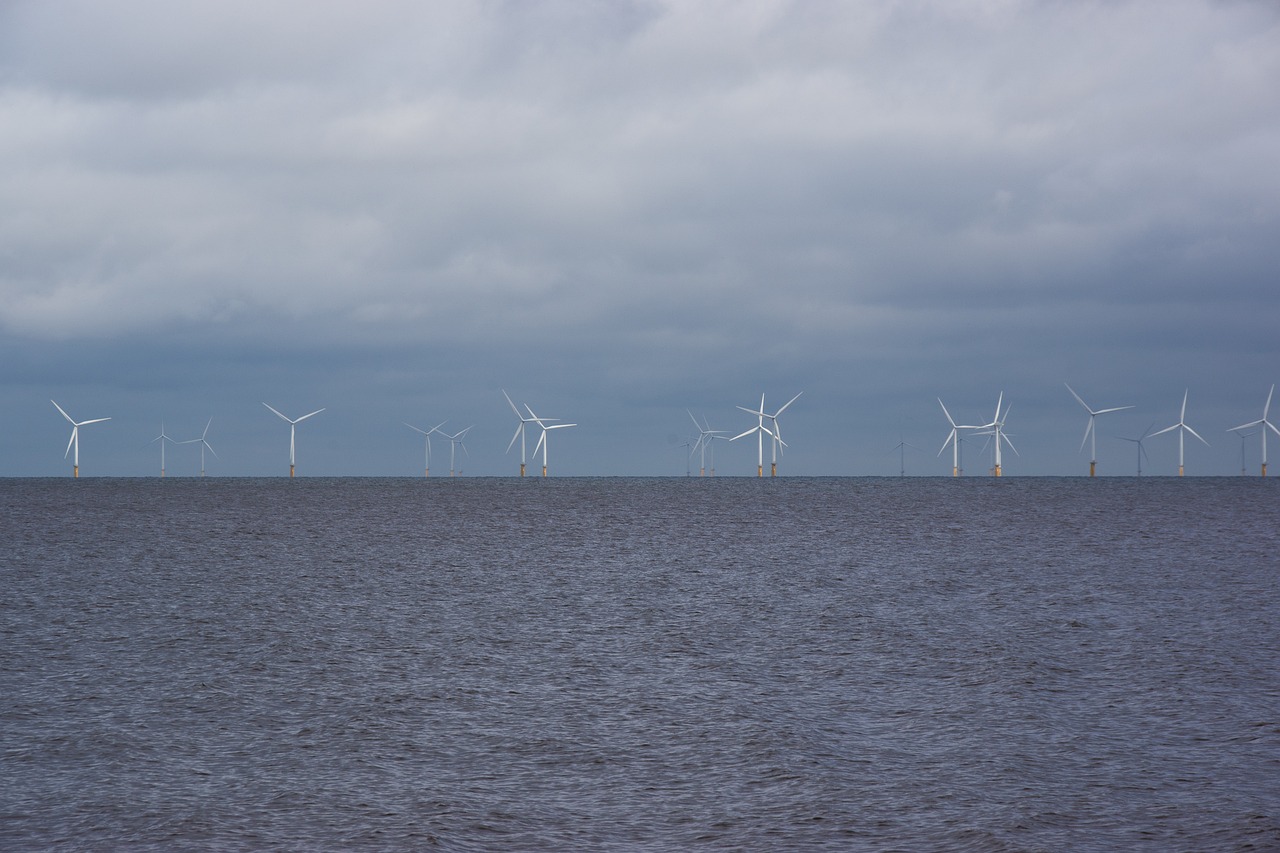
South Korea, which is still in the early stages of offshore wind power deployment, has yet to establish a clear offshore grid governance system. This issue brief examines the current situation in Korea and international case studies, emphasizing the need for Korea to establish a well-defined offshore grid governance framework.
Analysis of Economic Impacts of Increasing Auctioned Allowances in Korea Emissions Trading Scheme
This study employs a Computable General Equilibrium (CGE) model to analyze the economic impacts of increasing the share of auctioned allowances in the Korea Emissions Trading Scheme (K-ETS) while achieving the country’s 2030 emissions reduction target.